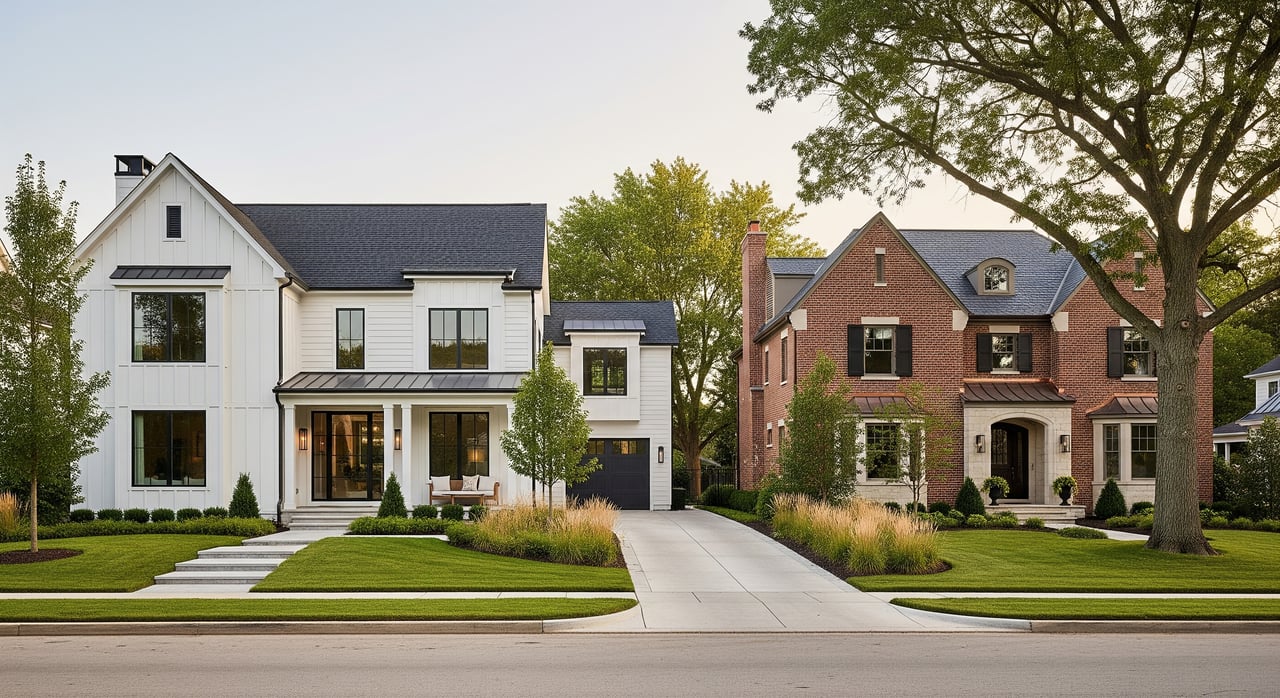
Are you torn between building new or buying a resale home in Westfield? You are not alone. As Westfield grows, you will see production‑builder communities rise alongside established neighborhoods, each with a different cost profile, timeline, and lifestyle. This guide breaks down what to expect in Westfield so you can choose with confidence and protect your budget and timeline. Let’s dive in.
Why Westfield impacts your choice
Westfield is a fast‑growing Hamilton County suburb in the Indianapolis metro area. New subdivisions and master‑planned communities are common, often with amenities like pools, trails, and clubhouses. Established neighborhoods offer mature trees, varied lot sizes, and an existing community character. Proximity to Grand Park, commuter routes, and local schools also plays a role in pricing and day‑to‑day convenience.
Because new construction and resale are both active here, you can compare options side by side. Your best fit depends on how you balance upfront price, ongoing costs, timing, HOA rules, and location tradeoffs.
Cost comparison: new vs resale
New construction often carries a higher price per square foot than comparable resales. That said, new homes include brand‑new systems and current energy codes, which can reduce early maintenance and utility costs.
Here is how the numbers usually shake out:
- Purchase price and upgrades
- New construction base prices cover standard finishes. Most buyers add design center upgrades for kitchens, flooring, lighting, and appliances. Lot premiums are common for corner lots, green‑space views, or larger yards.
- Resale pricing reflects current comps, condition, and days on market. Mature landscaping and finished basements can add value without a separate upgrade bill.
- Closing and transaction costs
- Builders may offer incentives such as closing cost credits or rate buydowns. Some incentives are tied to preferred lenders or title companies, so review the details carefully.
- Resale purchases follow typical buyer closing costs, with potential seller concessions. Inspection outcomes and appraisal results are common negotiation levers.
- Taxes, utilities, and HOA dues
- Property taxes on new construction may change after reassessment by Hamilton County once the home is complete. Confirm the latest assessment process and rates with the county.
- New communities may have higher initial HOA or amenity fees and possible special assessments while amenities are built. Resale HOA fees vary widely and have history you can review.
- Maintenance and energy
- New homes typically reduce near‑term costs because the roof, HVAC, windows, and appliances are new and often under warranty.
- Resale homes can require near‑term capital expenses, but you can plan for those after a thorough inspection.
Pro tip: Ask builders for a breakdown of base price, options, and lot premiums. For resales, request a comparative market analysis to frame value against recent closings and any needed updates.
Timelines and build options
Your timing needs are a major factor in Westfield. Local norms generally look like this:
- Inventory or spec homes: often 0 to 3 months from contract to close depending on completion and financing.
- Production homes on a selected lot: commonly 4 to 8 months if the lot is ready.
- Semi‑custom homes: about 7 to 10 months.
- Fully custom homes: roughly 9 to 18 months or longer depending on design, permitting, and weather.
Midwest seasonality and material lead times can affect schedules. If you choose new construction, clarify the target completion date, what counts as a delay, and how change orders impact timing. For resale, most timelines revolve around financing, appraisal, and any home sale contingencies.
Inspections and contract protections
Both paths benefit from structured due diligence.
- New construction
- Builders often allow third‑party inspections at specific phases, such as pre‑drywall and final. Confirm access and scheduling in the contract.
- Builder contracts typically limit remedies to warranty claims rather than termination for certain defects. Review this language closely.
- Resale
- You can typically include inspection contingencies for general home condition along with radon, pest, or sewer scope based on local norms.
- Inspection repairs or credits are common negotiation points.
Warranties: what to expect
New construction commonly includes a builder warranty with a structure similar to 1 year for workmanship and finishes, 2 years for mechanical systems, and 10 years for major structural coverage. Manufacturer warranties on appliances, roofing, and windows are separate. For resales, you can consider a third‑party home warranty, but it is not the same as a builder’s coverage.
Key items to confirm on new builds:
- Who handles warranty service and response times.
- What is excluded as normal settlement or wear.
- Whether coverage is prorated and if it transfers.
HOA norms in Westfield
HOAs shape daily life, curb appeal, and budgets.
- New communities
- Expect active architectural guidelines governing exteriors, fencing, and landscaping. Developer control of the HOA board usually continues until a set percentage of homes are sold.
- Review fees, reserves, and any planned amenities. Ask about initiation, transfer, or construction disturbance fees.
- Established neighborhoods
- Rules vary. Some older subdivisions have lower fees or voluntary associations. You can review past minutes and budgets for a clearer picture of maintenance and assessments.
Before you commit, review CC&Rs, bylaws, budgets, and reserve studies. Pay close attention to rental policies, vehicle storage rules, and landscaping standards.
Location tradeoffs around Westfield
Lifestyle can be as important as price.
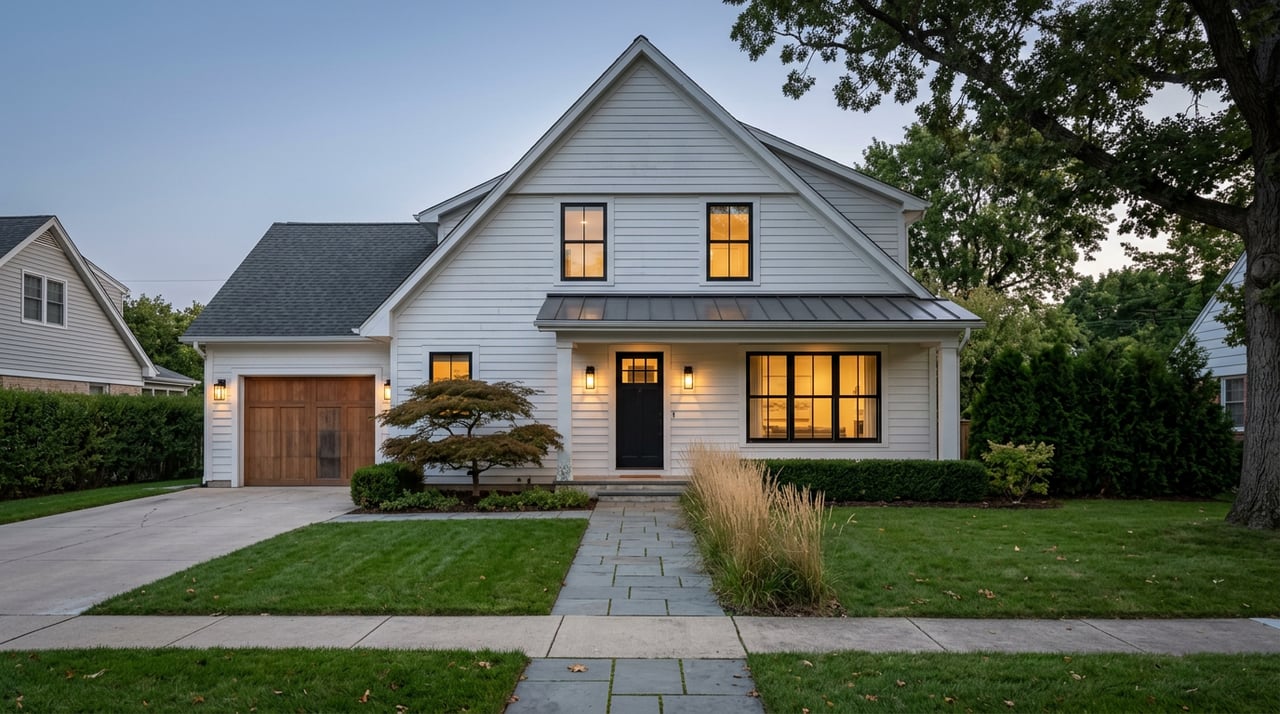
- Established areas tend to offer mature trees, established lot sizes, and proximity to older commercial nodes and restaurants.
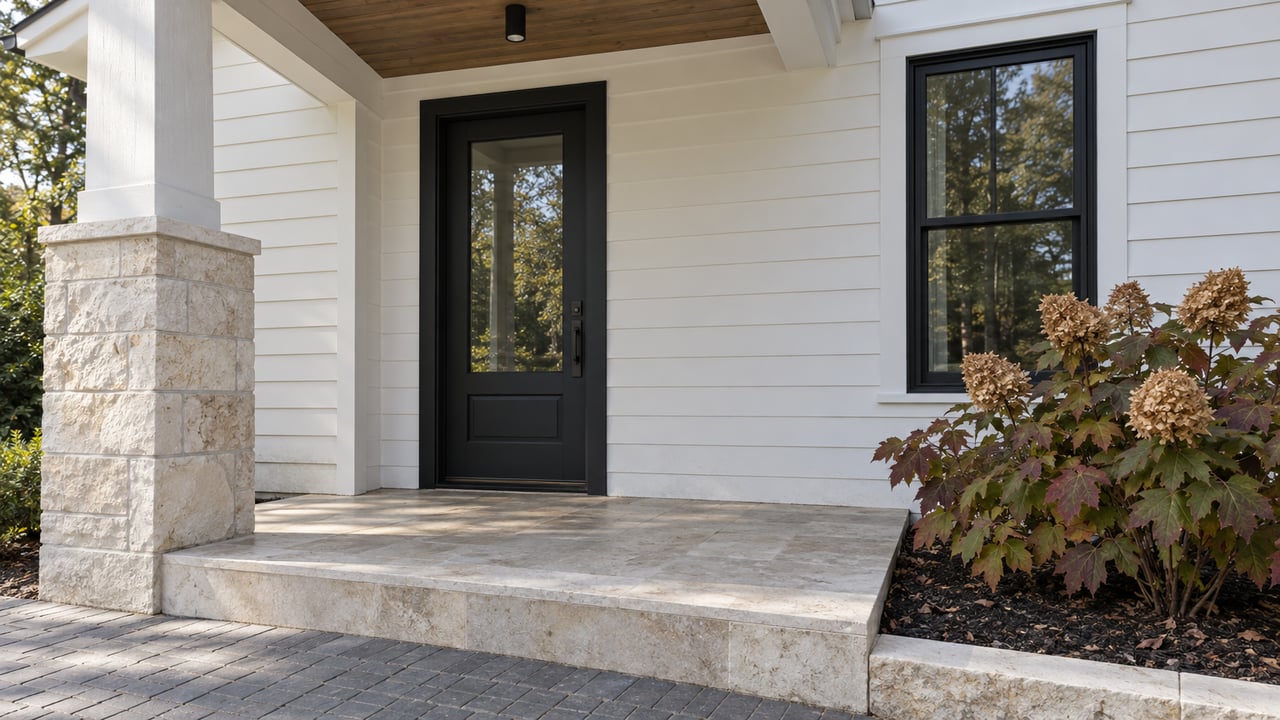
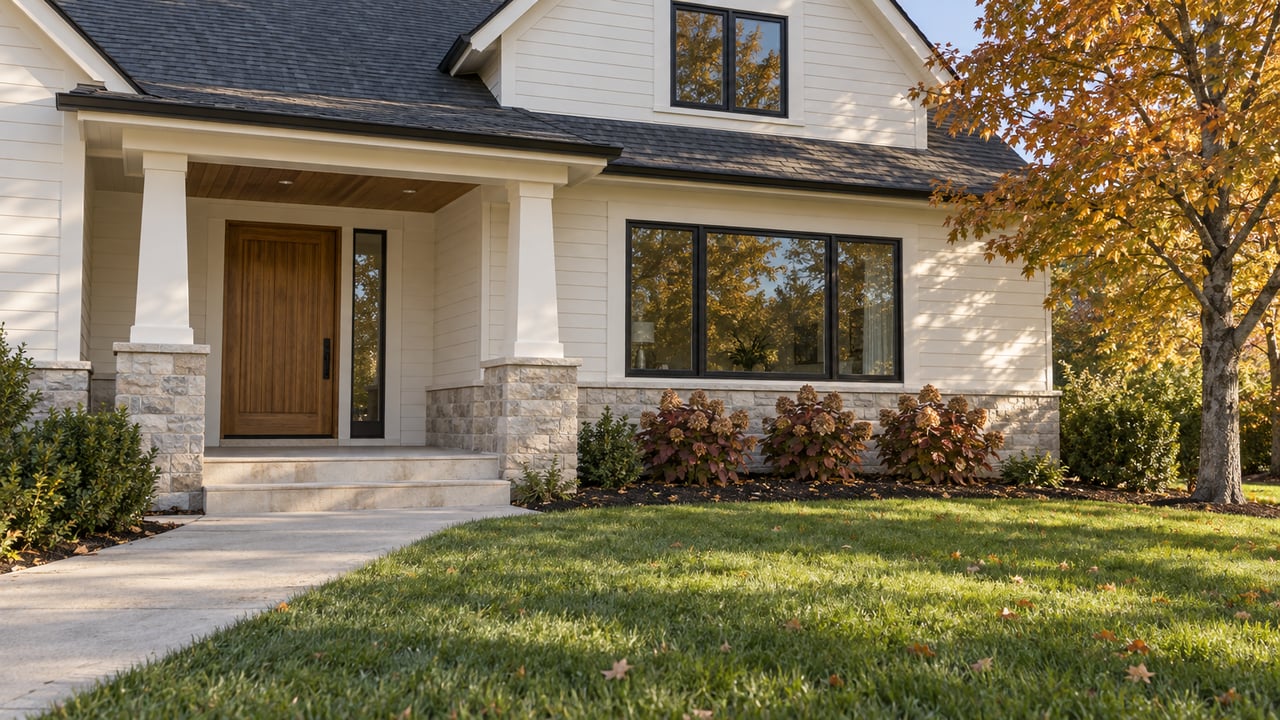
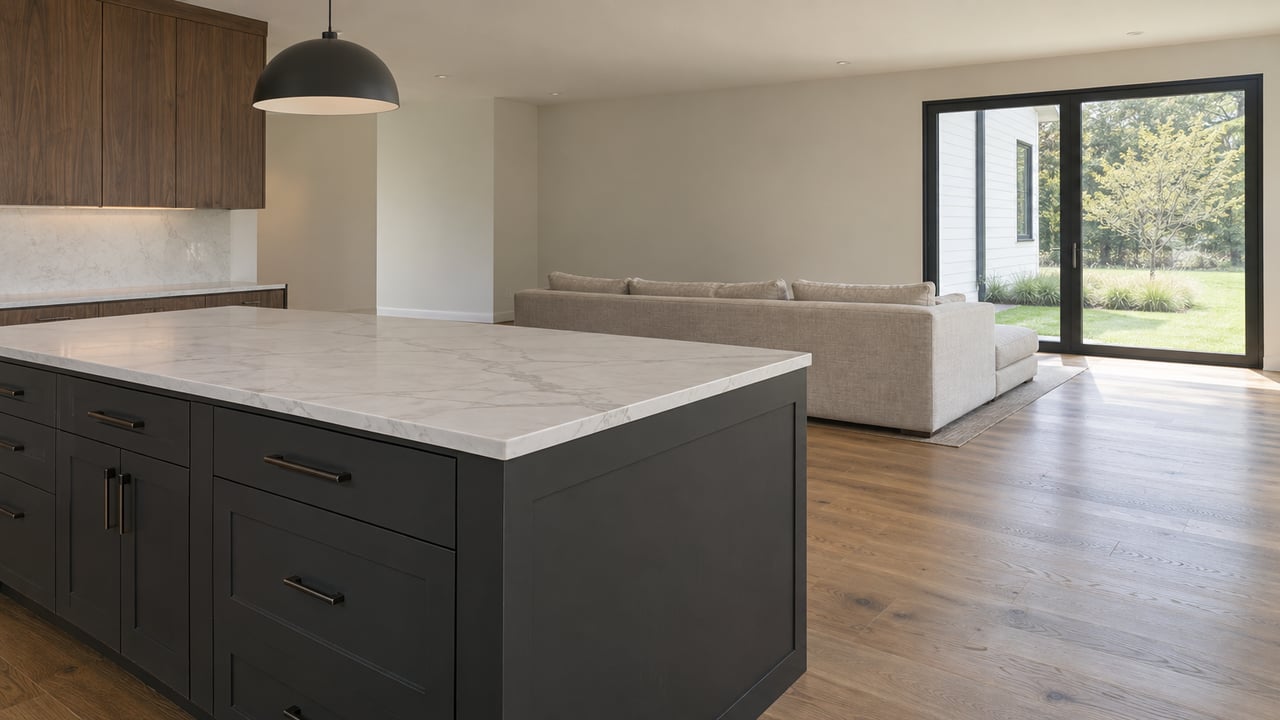
- New subdivisions deliver modern floor plans, energy‑efficient construction, and coordinated amenities like pools and trails.
- Proximity to Grand Park can increase demand and traffic in nearby neighborhoods. Weigh that against commute patterns and planned road improvements.
- Many new communities are in growth corridors. Consider future infrastructure, planned commercial development, and how that aligns with your daily routines.
Where a local agent adds leverage
Having experienced representation can save you time and money on both new and resale purchases.
- For new construction
- Contract review: Builder agreements tend to favor the builder. Your agent helps flag pricing, timelines, and warranty limits that deserve a deeper look.
- Negotiation: An agent who works regularly with area builders often knows which lot premiums, upgrades, or closing cost credits are negotiable right now.
- Inspections and quality control: Your agent coordinates independent inspections at the right milestones.
- Price context: You will see how the builder’s pricing stacks up against comparable resales.
- For resale
- Offer strategy: Your agent provides a comparative market analysis to guide price, terms, and appraisal strategies.
- Due diligence: You get help interpreting seller disclosures and deciding which inspections and contingencies to use.
If you are selling and buying, your agent can also structure timelines around a future build, including contingency protection in case of construction delays.
Decision guide: new vs resale
Use this simple framework to choose with clarity:
- Budget reality
- New build: model the base price, likely upgrades, lot premiums, and incentives. Add HOA and an estimate for post‑construction property taxes.
- Resale: model the purchase price plus near‑term updates like roof, HVAC, flooring, or windows.
- Timeline
- If you need to move in within 30 to 90 days, a resale or completed spec home is most practical.
- If you can wait several months and want specific design choices, a production or semi‑custom build may fit.
- Risk tolerance
- New build risks include schedule shifts and construction variables. Resale risks center on inspection findings and appraisal.
- Lifestyle
- Decide if you prefer established streetscapes with mature trees or a newer community with modern amenities and design.
Next steps in Westfield
- Get pre‑approved so you can compare monthly payments across new and resale options.
- Tour both established neighborhoods and newer communities to experience streetscapes, traffic, and amenity locations.
- For new builds, request a written breakdown of base price, upgrades, lot premiums, HOA fees, and estimated timelines.
- For resales, order a thorough inspection and budget for any updates.
- Confirm how Hamilton County will assess property taxes after construction and what exemptions may apply.
- Review HOA documents, reserves, and any developer control periods before you sign.
- Bring a local agent in early to coordinate builder meetings and protect your negotiation leverage.
When you are ready to compare specific homes or communities, connect with John Pacilio for local guidance, off‑market access, and a clear plan from offer to closing.
FAQs
What costs make new construction higher in Westfield?
- New homes often start with a base price, then increase with design upgrades and lot premiums, while resales reflect current comps and condition without a separate upgrade menu.
How long does a typical new build take locally?
- Inventory homes can close in 0 to 3 months, production homes often take 4 to 8 months, semi‑custom 7 to 10 months, and fully custom 9 to 18 months or more depending on weather and materials.
What warranties come with a new home in Westfield?
- Many builders use a 1 year workmanship, 2 years systems, and 10 years structural format, plus separate manufacturer warranties for items like appliances and windows.
How will property taxes change after I build?
- New construction is generally reassessed by Hamilton County once complete, which can change your tax bill, so confirm current procedures with the county before you buy.
Are HOA fees higher in new subdivisions?
- New communities may have higher initial fees and possible special assessments during amenity build‑out, while established neighborhoods provide fee history you can review.
Do I need an agent if the builder has a sales rep?
- Yes, the builder’s rep works for the builder; your agent represents you on contract terms, pricing, inspections, and warranty follow‑through without adding cost in many cases.