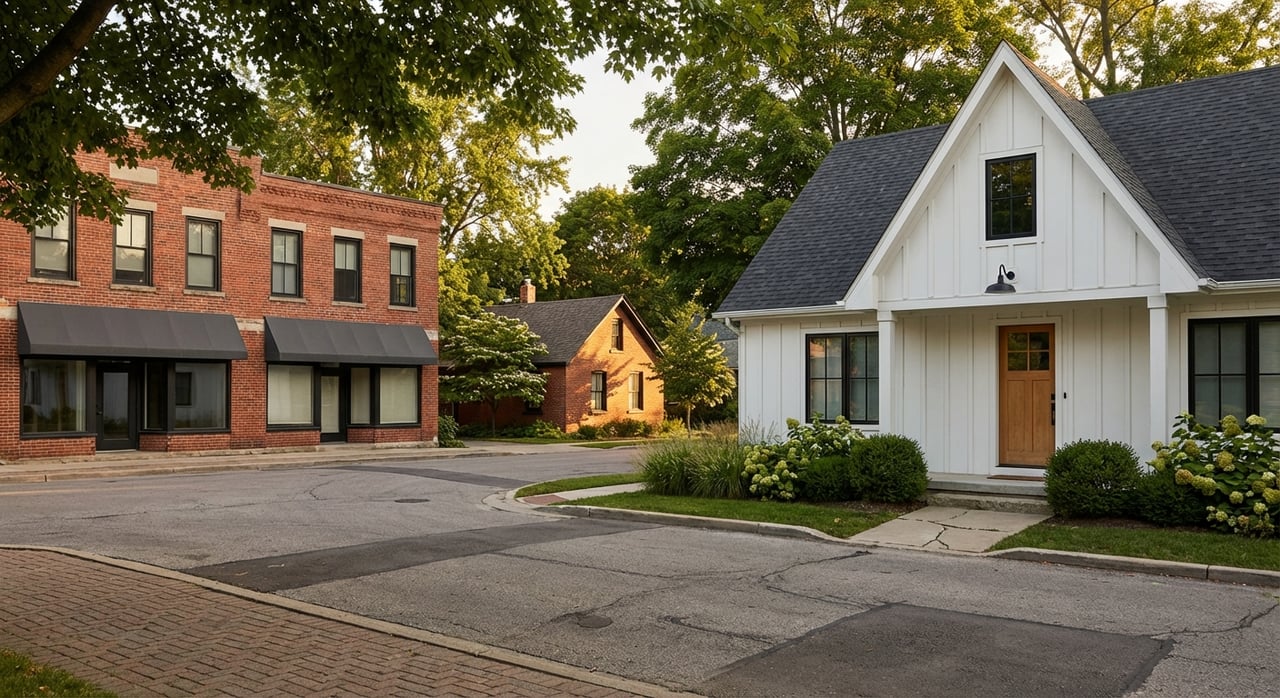
Picture yourself grabbing coffee, wandering a brick Main Street, and walking home along leafy side streets in minutes. If that sounds like your pace, living near Zionsville Village could be a great fit. You get a preserved small‑town core, a lively event calendar, and quick access to parks and schools, all within the Indianapolis metro. In this guide, you’ll see how daily life works, what kinds of homes are nearby, typical price context, and how to choose the right pocket for you. Let’s dive in.
Why the Village draws buyers
Zionsville’s brick‑paved Main Street is the town’s heart, with independent shops, cafés, and year‑round programming supported by Main Street Zionsville. The village core is walkable and intentionally preserved, which helps maintain its character and steady foot traffic. That charm, paired with strong local economics, supports healthy housing demand.
The town’s population sits around 32,000, and median household income is about $172,000, according to Census Reporter. Those fundamentals, along with a highly rated public school district, help explain why homes near the Village remain sought after.
Where you might live near the Village
In the Village: walk-to-dining blocks
If you want true park-once living, focus on the streets immediately around Main Street. Central addresses often earn “Very Walkable” ratings in the upper 60s to mid 70s on Walk Score. You can stroll to coffee, restaurants, galleries, the farmers market, and seasonal events.
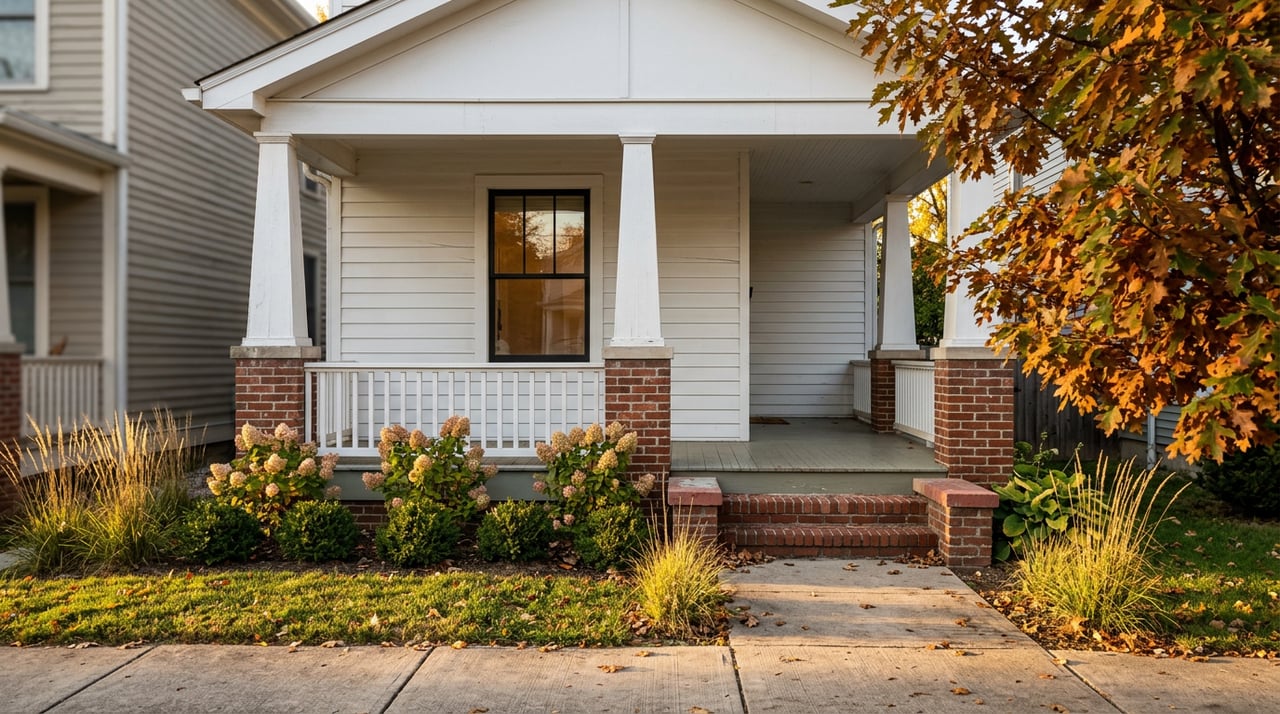
Housing here is a mix of historic cottages, renovated older homes, a few townhomes or condos, and occasional infill builds. Lots are smaller, and inventory is limited, which is why village‑proximate homes often trade at or above broader town medians depending on condition and lot. If you value location over yard size and prefer low‑maintenance living, this pocket fits well.
1–3 miles from Main Street: established neighborhoods
A short drive from the brick street, you’ll find single‑family neighborhoods developed from the mid‑century era through the 1990s–2000s. Think mature trees, typical suburban lot sizes, and neighborhood amenities or HOAs in some sections. Examples often cited locally include Village Walk and Stonegate.
These areas usually offer more square footage and traditional floor plans than the Village core. On a per‑home basis, they can be more accessible than newer luxury subdivisions. Pricing varies by pocket and updates, so you will want recent neighborhood comps when you get serious.
Outer edges: luxury new construction and clubs
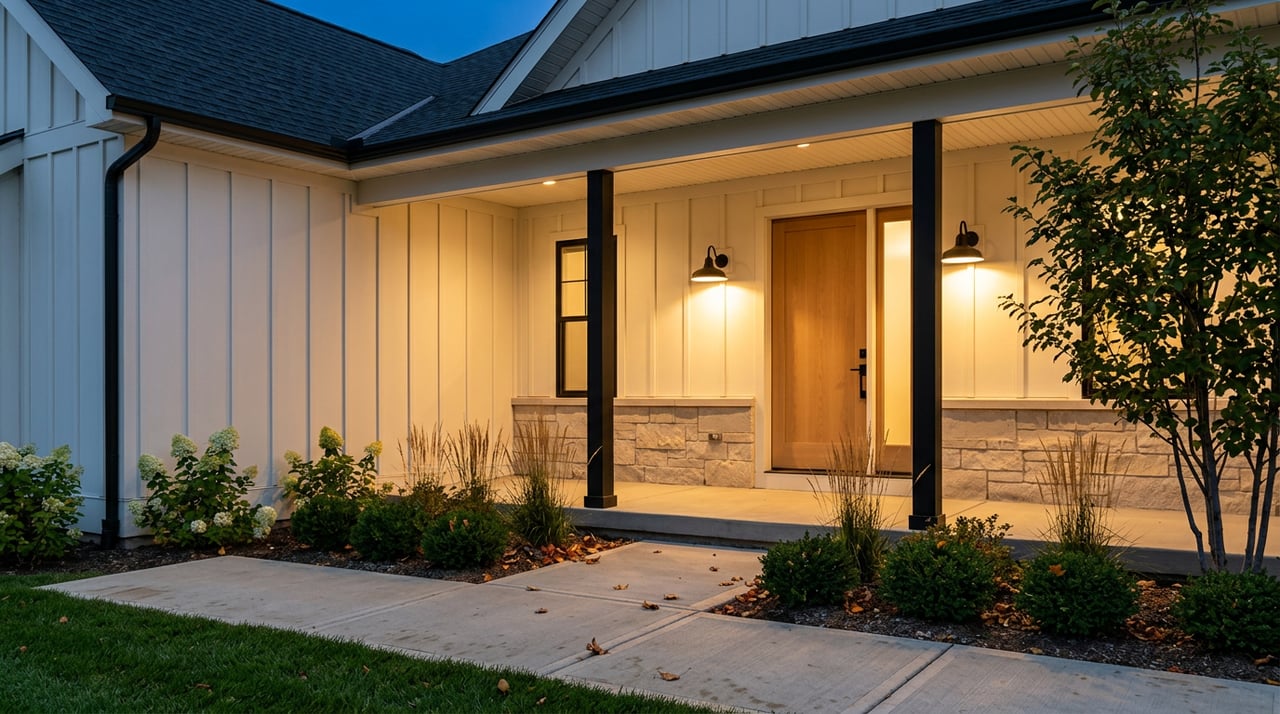
If you want space, amenities, and a newer build, look to luxury communities on the edges of town. Master‑planned and gated options, including newer projects like Bradley Ridge and other private communities, often feature clubhouses, pools, racket sports, and golf‑adjacent living. Custom and semi‑custom homes on larger lots are the norm.
Price context starts around the seven‑figure mark for many of these products, with estate homes rising well beyond that depending on lot and finishes. For a feel of the product style, review developer offerings such as Old Town Design Group’s Bradley Ridge listing. Expect HOA and possible club costs to factor into ownership.
Daily life near Zionsville Village
Walkability and errands
Within the Village, many day‑to‑day needs are on foot. You can run errands, meet friends for lunch, and browse shops without moving your car. Outside the core, Zionsville becomes more car‑oriented and most households rely on autos for daily life. During major events, plan for heavier pedestrian traffic and fuller parking near Main Street.
Shopping and dining
Boutique retail is part of the experience. You might pop into Black Dog Books for a new read, browse home and gift stores, or visit gallery spaces. Dining ranges from casual to date‑night, with long‑running local spots like Rush On Main adding to the year‑round draw. Tasting rooms and a boutique inn-restaurant contribute to an active evening scene.
Events and community rhythm
From May through September, Saturdays bring the Zionsville Farmers Market. Signature events like the Brick Street Market, a free summer concert series, and fall and holiday programming create regular anchors on the calendar. If you enjoy a community that gathers often, the Village delivers plenty of touchpoints.
Parks, trails, and outdoors
The Big‑4 Rail Trail cuts through town and links neighborhoods to the Village. It is a favorite for morning jogs, evening bike rides, and weekend strolls. For a broader overview of area trails, this Indiana trails guide is a helpful primer. Lions Park sits just off the Village and hosts larger events and community sports.
Schools and district information
Zionsville Community Schools are consistently highlighted in statewide rankings, including an A+ rating by Niche. If school proximity is important to you, confirm current boundaries and assignments using the district’s official site. Boundaries can change, so verify before you buy.
Commute and regional access
For many Village addresses, the drive to downtown Indianapolis commonly falls in the 25 to 35 minute range, depending on traffic and exact start point. One example shows about 29 minutes and roughly 16 miles to central Indianapolis for a Main Street‑area address, as reflected on a representative listing page. Public transit options are limited, so most residents commute by car.
Market dynamics and resale considerations
Zionsville sits in the higher‑priced tier of the Indianapolis metro, with median home values townwide in the mid 600s in late 2025. Conditions have recently ranged from somewhat competitive to seller‑leaning depending on timeframe and price point. Near‑Village inventory is limited, which can support quicker absorption when the home shows well.
What tends to support resale here:
- Highly rated public schools recognized by independent rankings such as Niche.
- A preserved, walkable Village with active programming that anchors lifestyle and day‑to‑day convenience.
- Scarce historic housing stock near Main Street and strong demand for proximity.
- Luxury and gated product on the edges that draws buyers seeking amenities and space.
A few ownership considerations to factor in:
- Many historic cottages need updates to match today’s preferences. Plan for modernization if the charm wins you over.
- HOA and club membership costs in luxury communities can add to monthly carrying costs.
- Outside the Village, life is more car‑dependent, which may influence your location choice.
If you want exact pricing by pocket, review the latest neighborhood comps and recent pending sales before you write your offer.
Quick buyer guide: which pocket fits you
- If you love walkable living: Focus on the immediate Village. Be ready for smaller lots, character homes, and occasional condos or townhomes. Plan to act quickly when a well‑updated property hits the market.
- If you want more space close by: Check established neighborhoods within 1–3 miles. You will see larger floor plans, garages, and yards while staying a short drive from Main Street.
- If you want amenities and new construction: Consider luxury communities on the town’s edges. Expect $1M+ entry pricing for many homes, with larger lots and club features.
How to choose your spot with confidence
- Try a weekend “test drive.” Do a morning coffee, bookstore stop, lunch, and a short rail‑trail walk. Note how it feels to park once and move on foot.
- Map your daily patterns. List your top 5 weekly errands and see which pockets let you walk to two or more of them.
- Pressure‑test the commute. Drive to your workplace at your actual leave time. Do the same for the airport or downtown.
- Compare ownership costs. Note HOA, potential club dues, and likely renovation budgets if you are considering a historic home.
- Verify schools. Use the Zionsville Community Schools site for the latest boundary information before you submit an offer.
If you want a tailored search that blends on‑market and private opportunities near the Village, reach out. With 20+ years and 1,000+ closings across Carmel and the northern suburbs, our team can match your lifestyle to the right street, then negotiate a smart purchase. Connect with John Pacilio to get started and Get Access To Our Private Listings.
FAQs
How walkable is living near Zionsville Village?
- Central Main Street addresses often score in the upper 60s to mid 70s on Walk Score, so many errands and dining options are reachable on foot.
What home types sit closest to Main Street in Zionsville?
- You will find historic cottages, renovated older homes, smaller‑lot single‑family houses, and a limited number of townhomes or condos within the immediate Village area.
Are Zionsville Community Schools a major draw for buyers?
- Yes. The district earns an A+ from Niche; always confirm specific school assignments with the district’s boundary information.
What price range should I expect near the Village in late 2025?
- Townwide medians have been in the mid 600s, but near‑Village homes vary widely by size and updates, and luxury new builds on the edges often start near or above $1M.
What is the typical commute from the Village to downtown Indianapolis?
- Many drives fall in the 25 to 35 minute range depending on traffic and start point; one representative Main Street example shows about 29 minutes and 16 miles via a listing page.
Which events define the Zionsville Village calendar?
- Seasonal highlights include the Zionsville Farmers Market, Brick Street Market, a summer concert series, and various fall and holiday programs.