Picture your morning coffee on a quiet cove, boats gliding by, and sunset views from your dock. If you are exploring waterfront living near Morse Reservoir in Noblesville, you want the lifestyle without surprises. In this guide, you will learn how lake operations work, what to verify about docks and shoreline rights, how flood maps affect insurance, and what home types and price patterns to expect. Let’s dive in.
Morse Reservoir basics
Morse Reservoir is a man-made water supply reservoir with roughly 1,500 surface acres and about 30 to 35 miles of shoreline. Citizens Energy Group owns and operates the reservoir primarily for regional water supply, which shapes everything from water levels to shoreline rules. You can review reservoir context and operations on Citizens Energy Group’s water supply page.
Public access is limited compared to the amount of private shoreline. The main public launch is at Morse Marina’s launch ramp, and city or county parks add a few more public entry points. Most buyers focus on neighborhoods ringing the lake, from main-body waterfront to protected coves and near-water streets with community amenities.
Dock rights and shoreline rules
Not every waterfront property automatically includes a private dock or the right to build one. Some condos or townhomes include deeded slips, while others use HOA assignments or seasonal leases. Always confirm whether a slip is deeded, leased, or assigned, and make sure that transfer rules match your purchase contract.
Citizens Energy Group controls a shoreline easement and reviews most improvements. For docks, boathouses, seawalls, lifts, dredging, and similar projects, Citizens uses a formal process with drawings and required approvals. You can see the standards and checklist in the Application for Construction of Improvements at Morse or Geist Reservoir. That application also asks for copies of any needed federal, state, or local permits, so expect additional steps for larger shoreline work.
Morse uses a dock-number system so first responders can locate you quickly from the water. Ask the seller or HOA which dock number applies to the property and verify that the sign matches local dispatch records. The Morse Waterways Association and local groups help manage dock numbering and safety programs.
Boating rules and seasonal patterns
Morse has posted no-wake and restricted zones that you must follow. The rules are set in the Indiana Administrative Code, which lists Morse-specific zones in 312 IAC 5-9-3. Enforcement is active during the warmer months.
The Noblesville Police Department operates a Boat Patrol Unit that enforces registration, lighting, life jacket rules, alcohol offenses, speed, and no-wake zones. Expect the busiest lake traffic from late spring through early fall, with weekends peaking. Marinas and many slip rentals typically run on an April through October schedule, so plan at least one summer weekend visit to experience real-world use levels before you buy.
Flood maps, water levels, and dredging
Flood status is a property-by-property analysis. Lenders and insurers rely on FEMA Flood Insurance Rate Maps. Before you write an offer, look up the exact address on the FEMA Flood Map Service Center, and consult the City of Noblesville resources for guidance on elevation certificates and local support through its Flood Hazard Mitigation page.
Water levels can vary because Morse is operated for water supply first. Citizens has signaled that operational needs and supplemental storage projects influence how much water is released or stored at a given time. If dock height or lift clearance matters to you, review historical level patterns and plan for some fluctuation, as noted by Citizens Energy Group.
Dredging for recreation is not something Citizens typically funds. Where sediment builds up in coves or around private slips, groups of homeowners or HOAs often coordinate and pay for dredging or weed control. Local reporting shows these costs can be a point of debate, so ask for records of past work in front of the parcel and who funded it, as highlighted by the Indianapolis Business Journal’s coverage. Also note that herbicide use on reservoir waters requires preapproval; see Citizens’ herbicide policy for details.
What you will see on the market
You will find a mix of property types:
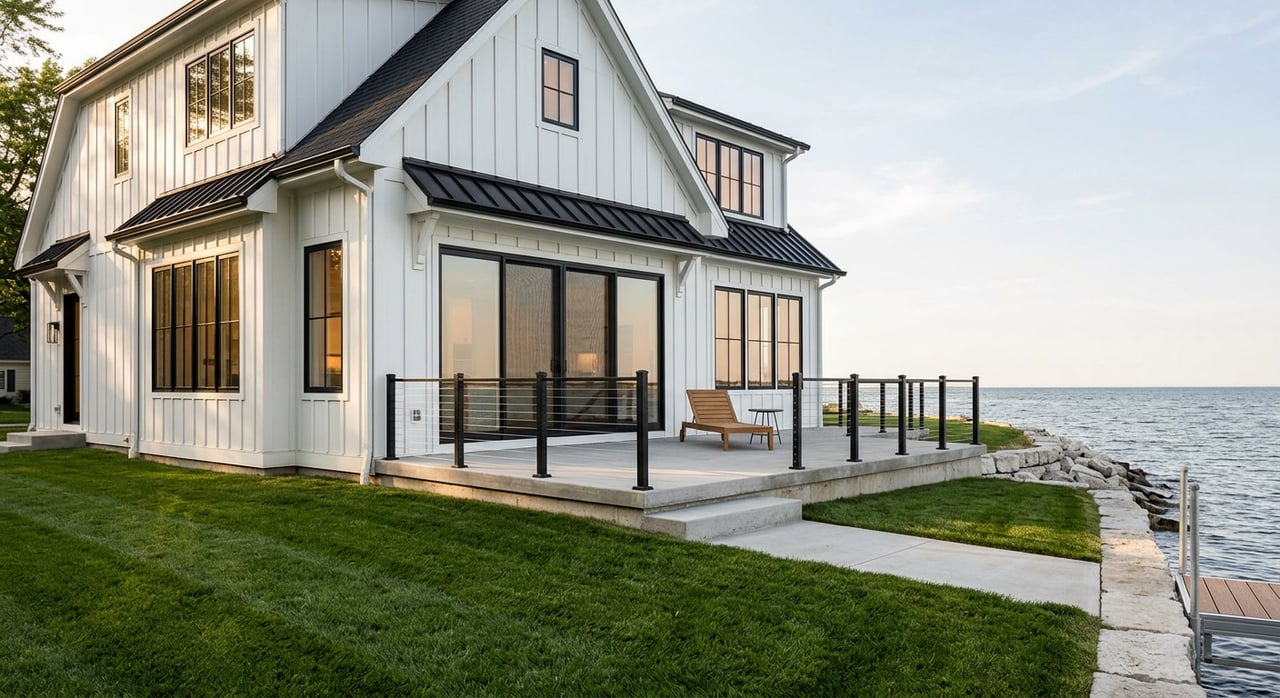
- Waterfront single-family homes, from updated cottages to custom estates on the main body of the lake.
- Condominium and townhouse communities, some with deeded or HOA-assigned boat slips that offer a lower-cost entry to lake living.
- Near-water neighborhoods with a range of lake access options, from community docks to beach or club amenities.
Price patterns vary by location, frontage, and dock status. Waterfront condos with deeded or assigned slips often trade in the low to mid $300k to $500k range. Single-family waterfront homes commonly range from the mid $400k to $900k, with premium frontage and larger homes exceeding $1 million. Because market conditions change, ask your agent for up-to-date, micro-market comps for main-body waterfront, protected coves, and near-water streets.
A practical due-diligence checklist
Use this list to protect your purchase and avoid surprises:
Title and deed rights
- Confirm whether riparian or littoral rights convey and whether any slip is truly deeded. Get written proof of ownership or assignment rules in your contract.
Citizens approvals
- Request records of any prior Citizens approvals for docks, seawalls, or shoreline work. New or modified improvements typically require Citizens approval per the construction application.
Survey and shoreline linework
- Order a current boundary survey that shows the legal shoreline or Ordinary High Water Mark. Citizens’ process expects accurate drawings tied to the survey.
Flood zone and elevation
- Run the address through the FEMA Flood Map Service Center. If the parcel is in a mapped flood zone, coordinate an Elevation Certificate and insurance quotes. The city’s Flood Hazard Mitigation page explains local steps.
Waterfront-specific inspections
- Inspect the dock, piles, lifts, and shoreline stabilization. Get contractor quotes for any needed seawall or riprap work. If dredging history matters, ask for written records that show when it occurred and who paid.
Environmental and aquatic health
- Ask about aquatic vegetation, algae, or invasive species history. Confirm whether any herbicide or mechanical removal required preapproval. Review Citizens’ herbicide policy.
HOA documents and fees
- If the home is in an HOA, request covenants, rules, budgets, meeting minutes, and any special assessments tied to lake work or dredging. Confirm slip assignment rules and guest docking.
Dock number and emergency access
- Verify the dock number and ensure the sign matches dispatch records. Local programs run through the Morse Waterways Association can help with compliance.
Planned development check
- Ask about major projects in review that could affect views, traffic, or runoff. Local news and city planning records can reveal proposals near the lake, and the IBJ’s reservoir coverage provides useful context on regional debates.
Contract protections
- Add contingencies for shoreline inspections, permit history review, and clear title related to shoreline rights and easements.
How a local agent protects your goals
A seasoned local agent helps you focus on the right property, structure a clean offer, and avoid costly mistakes.
- Pulls hyperlocal comps by submarket: deeded-slip condos, main-body waterfront, protected coves, and near-water homes.
- Reviews title commitments for easements and Citizens reservations that could limit future shoreline work.
- Coordinates contacts with Citizens, surveyors, dock inspectors, shoreline engineers, flood specialists, and HOAs.
- Verifies dock numbers and emergency procedures and helps replace signage when needed.
- Guides you through permit timing, realistic budgets for dock or seawall projects, and insurance implications.
If you are weighing two homes with similar views but different shoreline rights, this analysis can be the difference between a smooth summer on the water and months of delays.
Ready to explore the best Morse Reservoir options with clear answers on docks, permits, and flood status? Connect with John Pacilio for private inventory access, local insight, and a step-by-step plan to win your ideal lake home.
FAQs
Do Morse Reservoir homeowners automatically get a private dock?
- Not necessarily. Confirm whether a slip is deeded or HOA-assigned and verify prior permits. New docks or modifications typically require Citizens approval per the construction application.
How do I check flood risk for a Noblesville lake home?
- Pull the address on the FEMA Flood Map Service Center. If the parcel is in a mapped flood zone, consult Noblesville’s Flood Hazard Mitigation page and secure an Elevation Certificate and insurance quotes.
Who pays for dredging or weed control in front of my dock?
- Citizens typically does not fund recreational dredging. Many cove projects are organized and funded by homeowners or associations. Ask for local history and budgets, and see the IBJ’s reporting on reservoir cleanup costs.
What boating rules and enforcement should I expect on Morse?
- Morse has posted no-wake and restricted zones listed in 312 IAC 5-9-3. The Noblesville Police Boat Patrol enforces equipment, lighting, speed, alcohol, and PFD rules.
Can I use herbicides to control weeds near my dock?
- Not without approval. Citizens requires preapproval for herbicide use on reservoir waters. Review Citizens’ herbicide policy and verify any required permits before treatment.