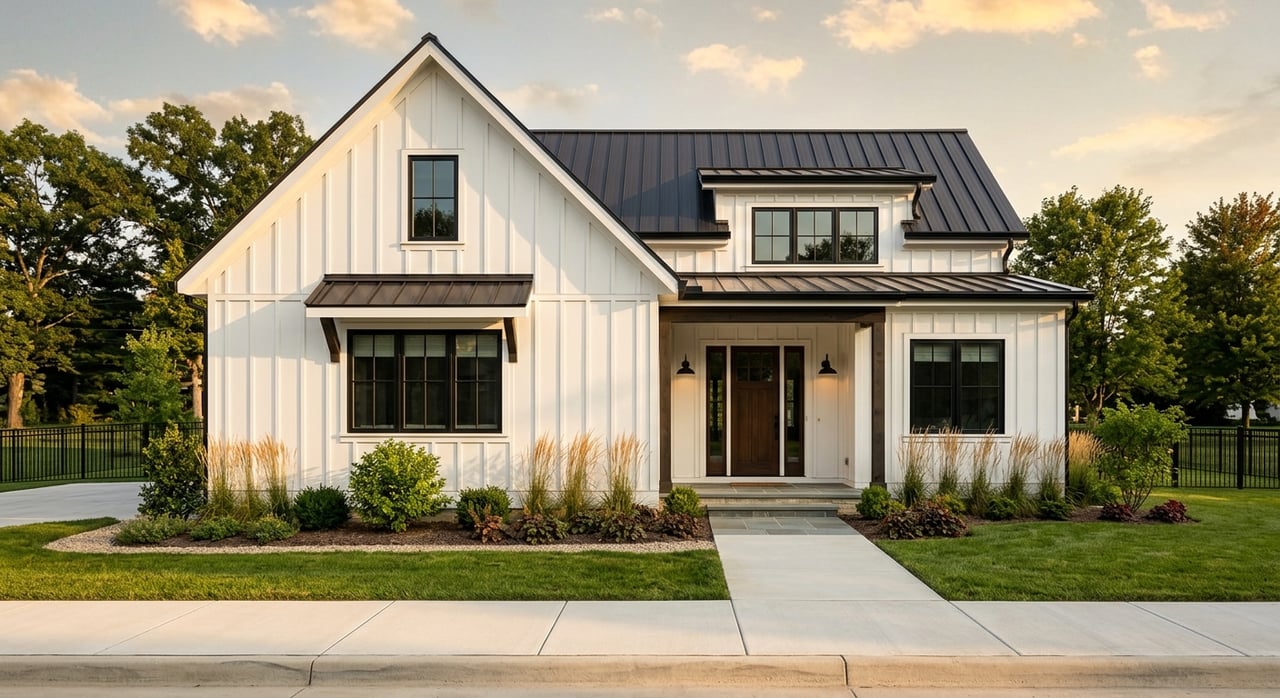
Thinking about relocating to Zionsville? It is easy to assume it is one simple suburb, but that can lead you in the wrong direction fast. If you are moving from out of town, you need a clear feel for how the community is laid out, what daily life looks like in different areas, and how to narrow your home search without wasting time. This guide will help you understand the basics so you can move forward with more confidence. Let’s dive in.
Zionsville Is More Varied Than Many Buyers Expect
One of the most important things to know as a newcomer is that Zionsville is not one uniform place. According to the town’s planning materials, its boundaries expanded significantly after township mergers, adding 58 square miles and increasing the corporate limits by more than 1,000%.
That matters because two homes with the same Zionsville address can offer very different day-to-day experiences. Some areas feel closely tied to the historic Village, while others are more suburban or more rural in character. If you are relocating, micro-location matters just as much as the home itself.
The Village Core Feels Different
If you picture Zionsville as charming, walkable, and full of local character, you are probably thinking of the Village core. The town highlights the brick-paved Main Street and Village Corner pocket park as part of this historic center, and local planning documents describe the surrounding residential area as a walkable district connected to the Village Business District.
In practical terms, this part of town tends to feel more pedestrian-oriented and more compact than outlying neighborhoods. You may find older homes, smaller-scale streets, and a mix of housing types rather than large-lot suburban development.
What housing looks like in the Village
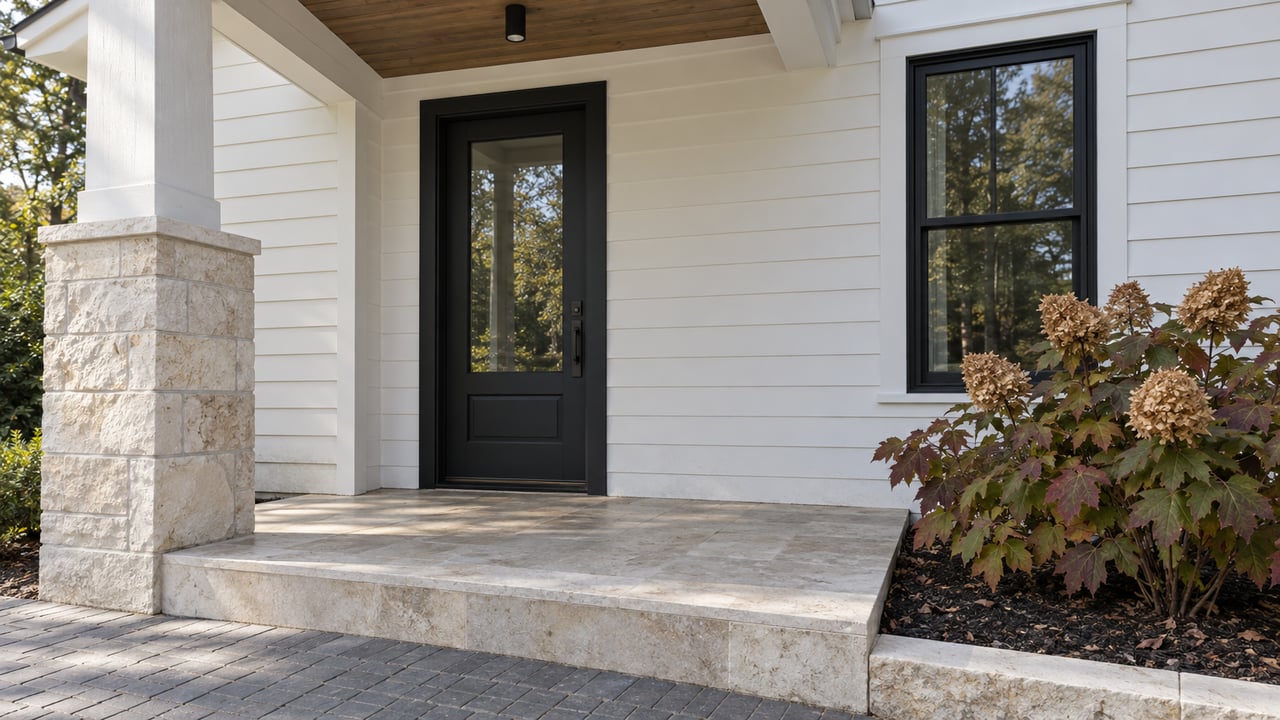
The historic Village survey identifies bungalows, American Small Houses, Carpenter/Builder homes, and other older residential styles. That helps explain why the area has such a distinct visual character compared with newer neighborhoods farther out.
If you are drawn to charm, proximity to shops and events, and a more connected street pattern, the Village may rise to the top of your list. If you want a newer home, larger lots, or a more conventional suburban layout, you may want to look beyond the core.
Outlying Areas Offer Different Lifestyles
Outside the Village, Zionsville opens up into broader suburban neighborhoods and rural service areas. Town planning materials point to neighborhoods north along US 421 and note that some areas have different services and utility setups than the more urbanized parts of town.
This is why relocation buyers should avoid treating all of Zionsville the same. Your experience can vary based on where you live, what type of roads serve your neighborhood, and how close you are to the Village, trail systems, or major commuter routes.
Services and road details can vary
The town’s Rural to Urban Transition materials specifically note that some neighborhoods fall within areas where services and utilities can differ. They also note that streets in Holliday Farms are privately owned and maintained.
That does not make one area better than another. It simply means you should ask detailed questions early, especially if you are comparing the Village, suburban neighborhoods, and homes in more rural-service sections of town.
Commute Planning Should Start With Your Destination
Many newcomers want a simple answer to the question, “What is the Zionsville commute like?” The better answer is that your commute depends heavily on where you are headed and which part of town you choose.
The town describes Zionsville as being just minutes from Indianapolis, and transportation planning centers on major corridors such as US 421, I-65, and I-465. At the same time, local planning efforts show how important traffic flow and access are within the historic Village and throughout the broader area.
Think destination first
If you work in Indianapolis, your ideal location may differ from someone who needs easier access to north-side suburbs or other regional job centers. Instead of searching town-wide, it helps to reverse the process.
Start by identifying where you need to go most often, then compare Zionsville neighborhoods based on those routes. That approach is usually more useful than relying on one general commute estimate for the entire town.
Daily Life in Zionsville Has a Strong Outdoor Focus
For many buyers, lifestyle is just as important as square footage. Zionsville stands out here because of its park and trail network.
The Parks and Recreation Department says it manages 800 acres of parkland and more than 15 miles of trail. Key parts of the system include the Big-4 Rail Trail, Heritage Trail Park, Carpenter Nature Preserve, Turkey Foot Nature Park, and multiple trailheads.
Trails and parks shape routine
The Big-4 Rail Trail begins at Zionsville Road and runs to the Whitestown border, making it a meaningful part of how many residents experience the town. Whether you enjoy walking, biking, or simply having green space nearby, access to these amenities can have a real impact on your daily routine.
If that matters to you, it is worth comparing how close different homes are to trails, parks, and trailheads. In a town this spread out, those details can change how connected you feel to the community.
The Village Core Has an Event-Oriented Feel
Zionsville also leans into local culture and public gathering spaces. The town partners with the Zionsville Cultural District on public art, and it describes that district as a center for local art, culture, and history.
SullivanMunce Cultural Center serves as the town’s Welcome Center and combines museum, genealogy, and art functions. Nearby Lions Park sits beside the village center and hosts many annual festivals, adding to the active feel of the core.
Walkability shows up in everyday moments
The town’s wayfinding plan is designed to better connect pedestrians, cyclists, and vehicles with the Village Business District, shopping areas, parks, trailheads, and community attractions. For you as a newcomer, that reinforces an important point: some parts of Zionsville are set up for a more walkable, event-oriented lifestyle than others.
If you want to be near local events and public gathering spaces, focus your search accordingly. If you prefer a quieter or more removed setting, you may lean toward neighborhoods outside the Village center.
Housing Choices Range Widely
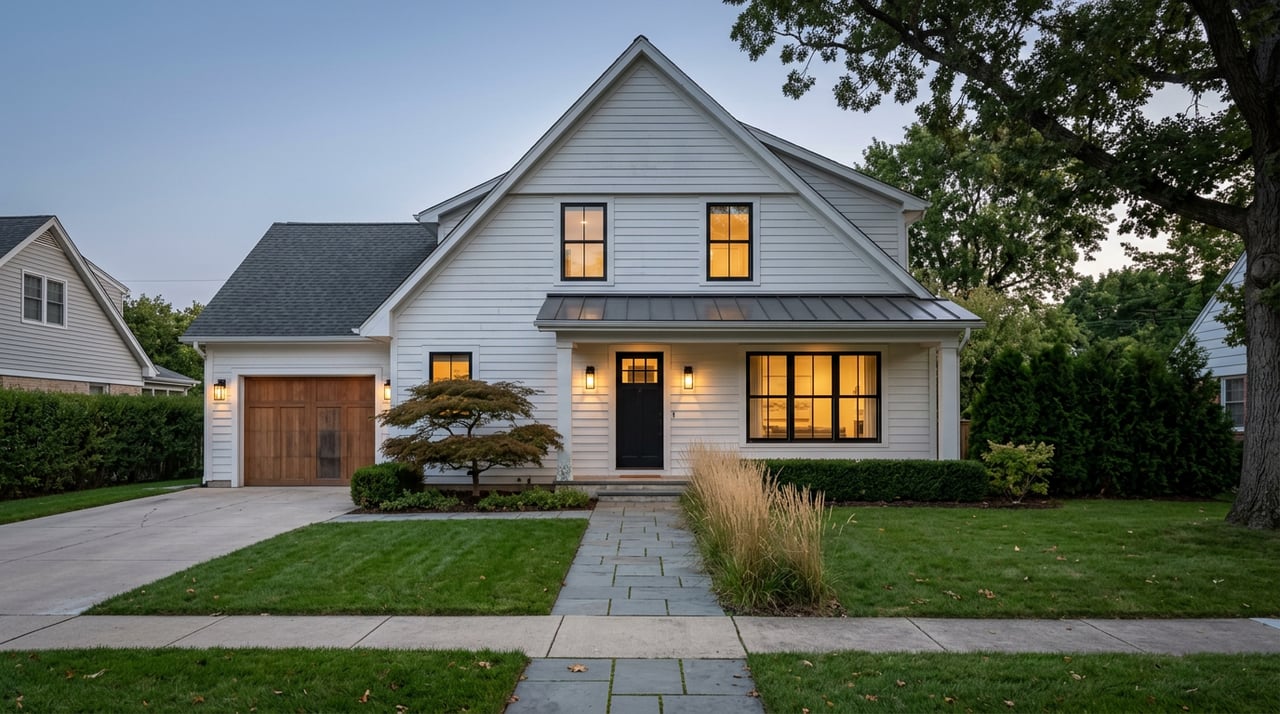
Zionsville offers a broad mix of housing environments. In the Village core, the housing stock tends to be older and more architecturally varied.
Near the edge of the Village, the current comprehensive plan calls for mixed housing types such as upper-story units, townhomes, duplexes, and compact single-family homes. Beyond that, the broader town includes suburban neighborhoods and rural areas with very different patterns of development.
Match the home to your move goals
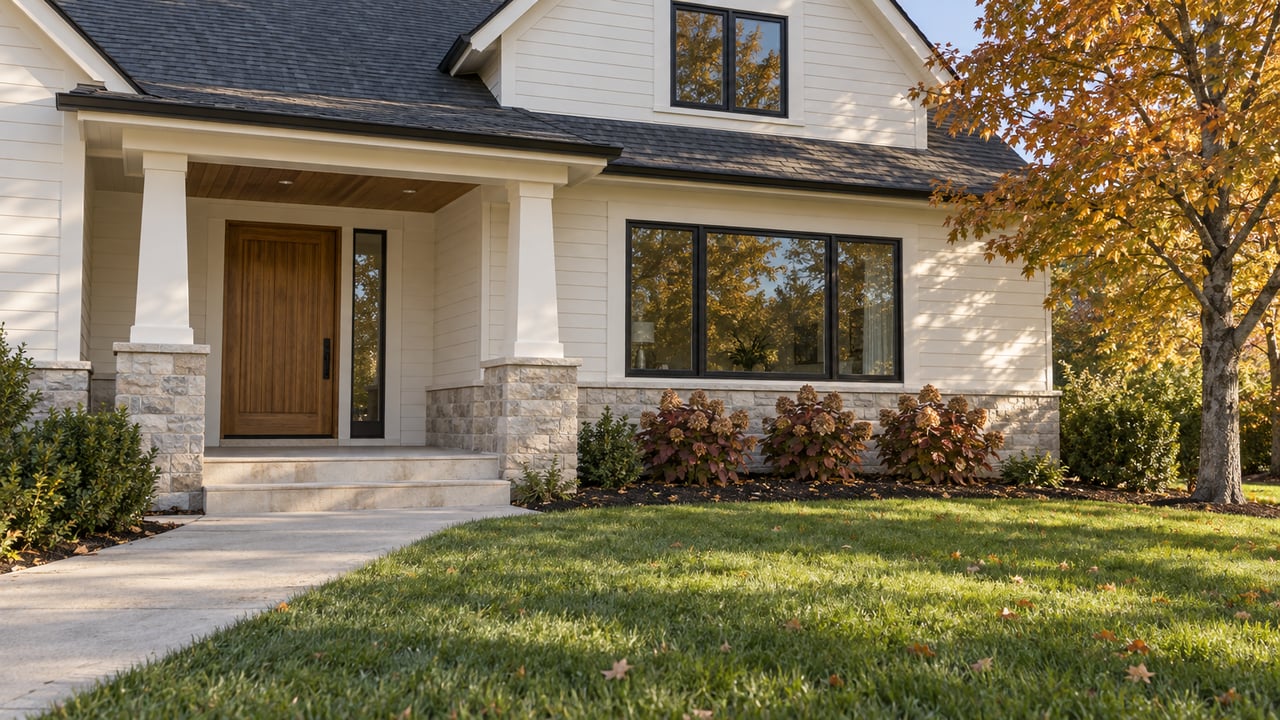
If you are relocating for convenience and want a lower-maintenance option, mixed housing near the Village may be worth exploring. If you want more separation, a newer neighborhood feel, or a different lot configuration, your shortlist may look very different.
The key is not to ask, “Should I move to Zionsville?” The better question is, “Which part of Zionsville fits how I actually want to live?”
A Smart Relocation Search Strategy
When you are moving from another city or state, touring every option in person is not always realistic. A more efficient process is to narrow your search in stages.
A practical relocation playbook is to start with online research, then compare homes using photos, video walk-throughs, and virtual tours. After that, you can build a shorter list and plan a focused in-person visit around your top choices.
Use virtual tools first
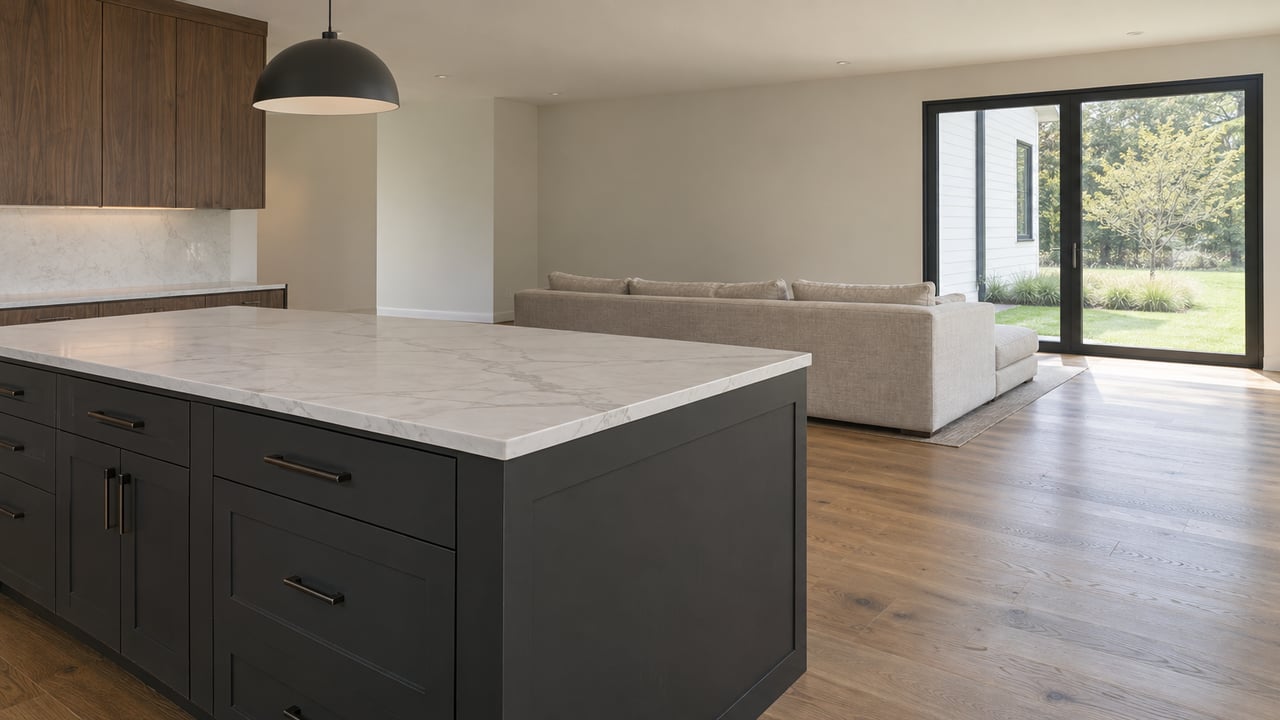
This approach works especially well in Zionsville because the Village, suburban neighborhoods, and rural areas can feel materially different from one another. Virtual tools help you sort through style, setting, and layout before you spend time traveling.
For relocating professionals and busy households, this can make the search process much more manageable. It also helps you arrive with sharper questions and a clearer sense of what fits.
Visit finalist areas at different times
Once you narrow your options, it helps to visit finalist areas on weekday mornings, weekday evenings, and weekends. That gives you a better read on traffic patterns, noise levels, and the general rhythm of each area.
In a place like Zionsville, this step can be especially valuable. A home that looks ideal online may feel very different depending on how the surrounding area functions throughout the week.
What Newcomers Should Prioritize
If you are just getting started, focus on the factors that most affect your daily life. That usually means looking beyond price and square footage.
Here is a strong starting checklist:
- Your most common commute destination
- Whether you prefer Village access or a more removed setting
- The type and age of housing you want
- Proximity to parks, trails, and community spaces
- Utility and service differences in the areas you are considering
- Whether private street maintenance or similar neighborhood details apply
A clear shortlist makes your move easier. It also helps you compare homes based on how you will actually live, not just how a listing looks on paper.
If you are planning a move to Zionsville, the right guidance can save you time and help you focus on the parts of town that truly fit your goals. For tailored relocation support, virtual home-search help, and access to local insight across the northern Indianapolis suburbs, connect with John Pacilio.
FAQs
What should newcomers know first about living in Zionsville?
- Zionsville includes a historic Village core, suburban neighborhoods, and rural-service areas, so different parts of town can feel very different from one another.
What is the Village area like in Zionsville?
- The Village is the historic downtown area with brick-paved Main Street, walkable surroundings, older homes, and strong access to local shops, parks, and events.
What types of homes can you find in Zionsville?
- Housing ranges from older bungalows and other historic styles in the Village core to mixed housing near the Village edge, plus suburban neighborhoods and rural-area homes elsewhere in town.
How should relocating buyers plan a Zionsville commute?
- It is best to plan based on your actual destination, since access to Indianapolis, north-side suburbs, and other regional routes can vary by location within Zionsville.
What outdoor amenities does Zionsville offer?
- The town says it manages 800 acres of parkland and more than 15 miles of trail, including the Big-4 Rail Trail, Heritage Trail Park, Carpenter Nature Preserve, and Turkey Foot Nature Park.
How can out-of-area buyers narrow a home search in Zionsville?
- Start with online research and virtual tours, then visit your finalist areas in person at different times of day and on different days of the week to compare how each area feels.