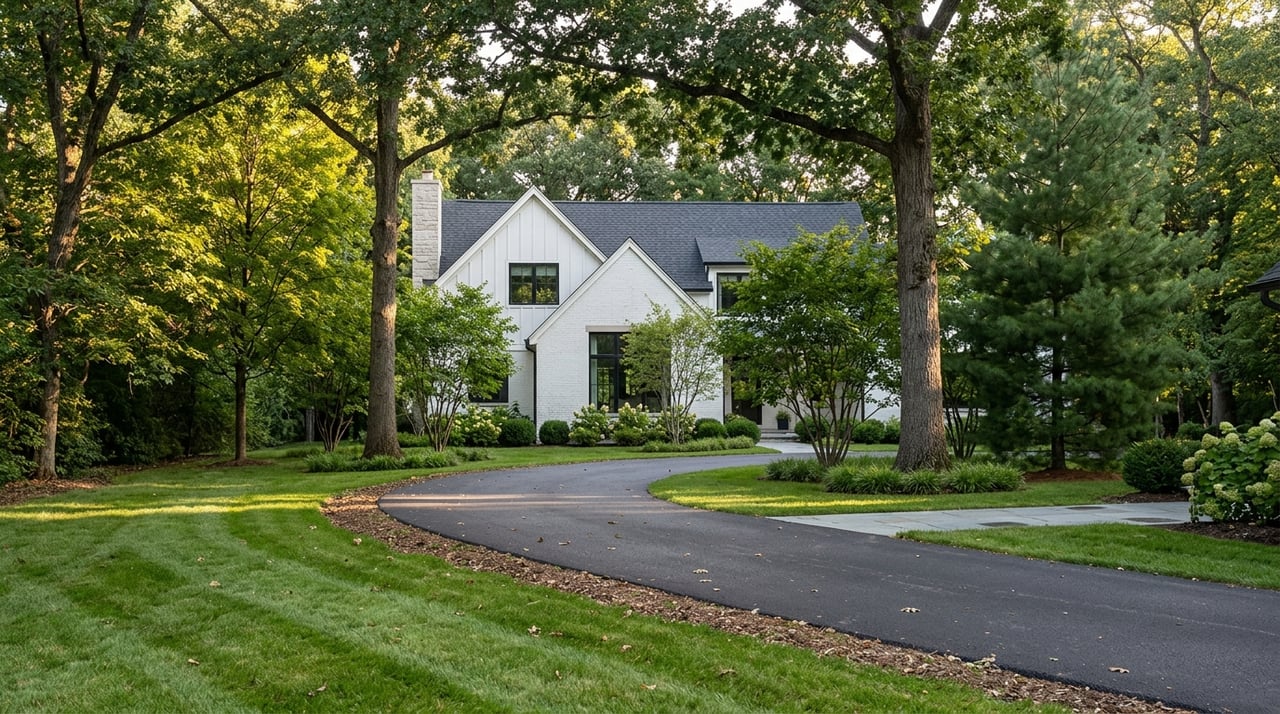
Looking for space, privacy, and a custom-home feel without giving up everyday convenience? That is exactly why so many buyers explore Zionsville’s estate-style neighborhoods. If you want a clearer picture of what sets these communities apart, what to compare, and what to verify before you buy, this guide will help you narrow your options with confidence. Let’s dive in.
Why Zionsville Appeals to Estate Buyers
Zionsville offers a mix that is hard to ignore if you want room to spread out. The town describes itself as having a small-town atmosphere with modern-rustic character, while still sitting about 20 minutes north of Indianapolis. For many buyers, that balance of privacy and access is a big part of the appeal.
The setting also matters. Zionsville reports more than 800 acres of parkland across 20-plus parks, and it has been a Tree City USA community for more than 20 years. That helps explain why mature trees, wooded homesites, and a more natural feel show up so often in estate-style neighborhoods here.
For buyers who also care about long-term value, Zionsville Community Schools are often part of the conversation. The district describes itself as top-performing in Indiana, with recognized STEM, arts, and athletics programs. Even when acreage or custom design is your top priority, school access and daily logistics can still influence your decision.
What “Estate-Style” Means in Zionsville
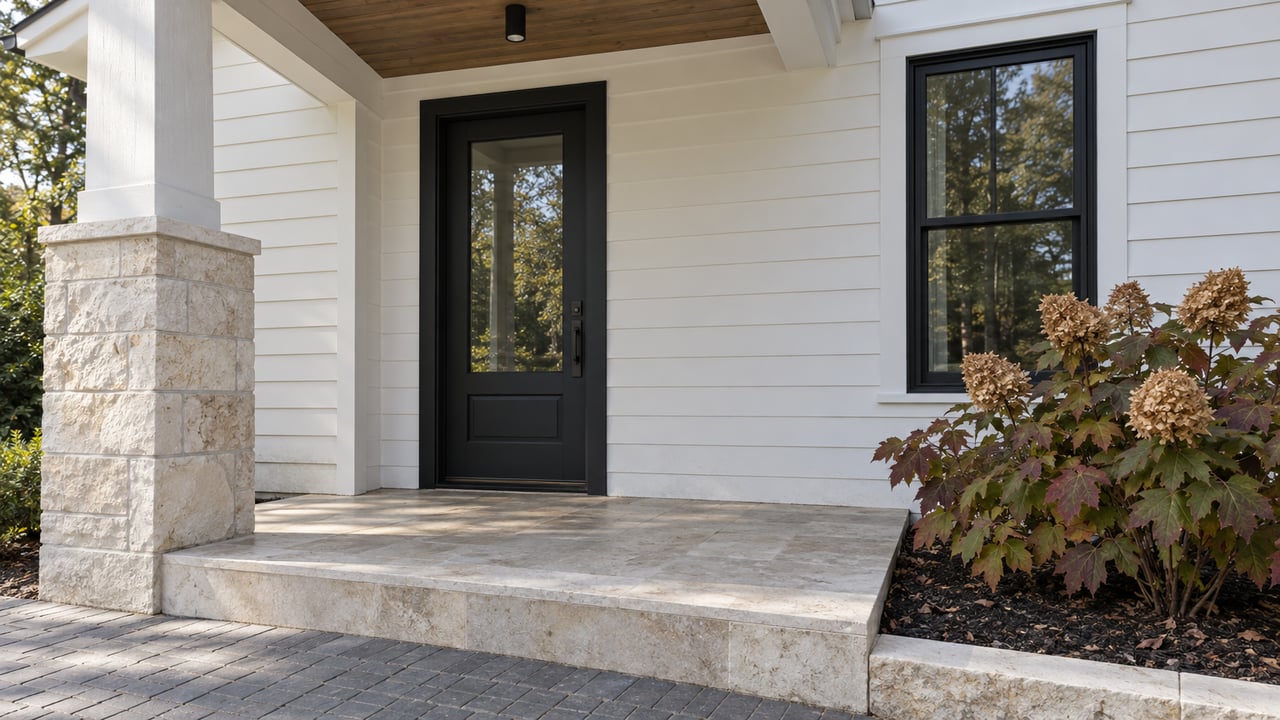
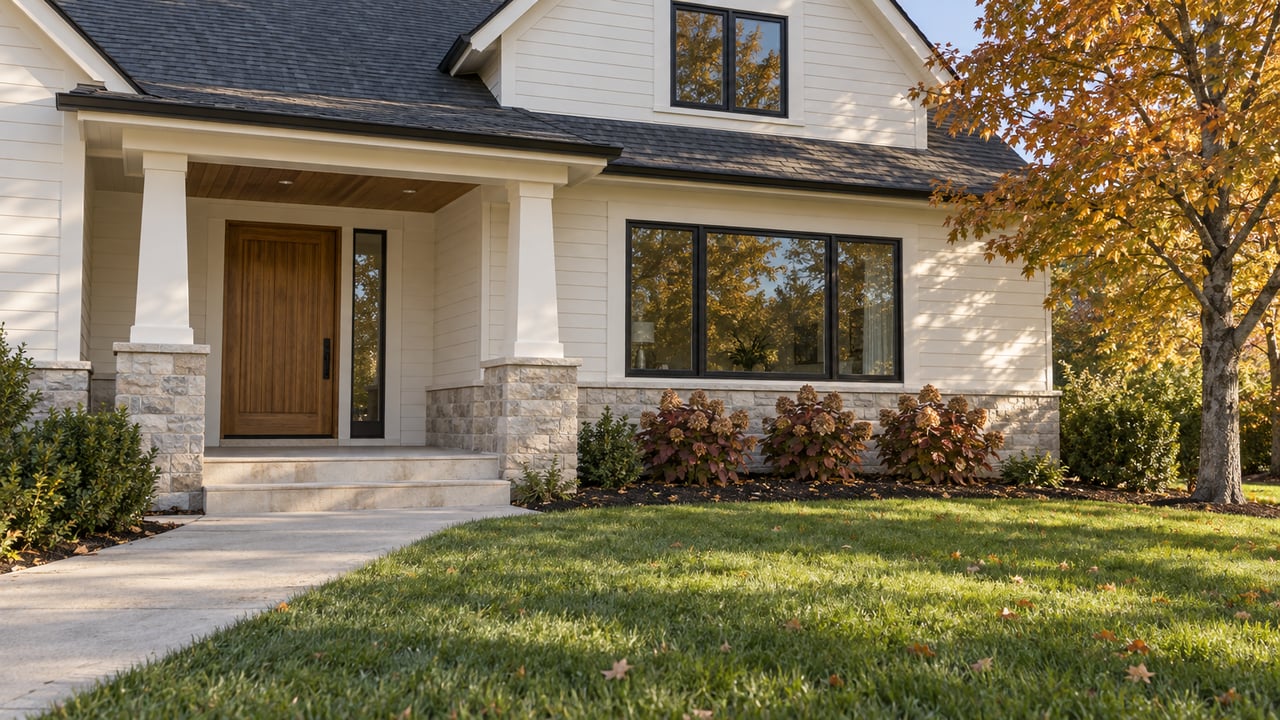
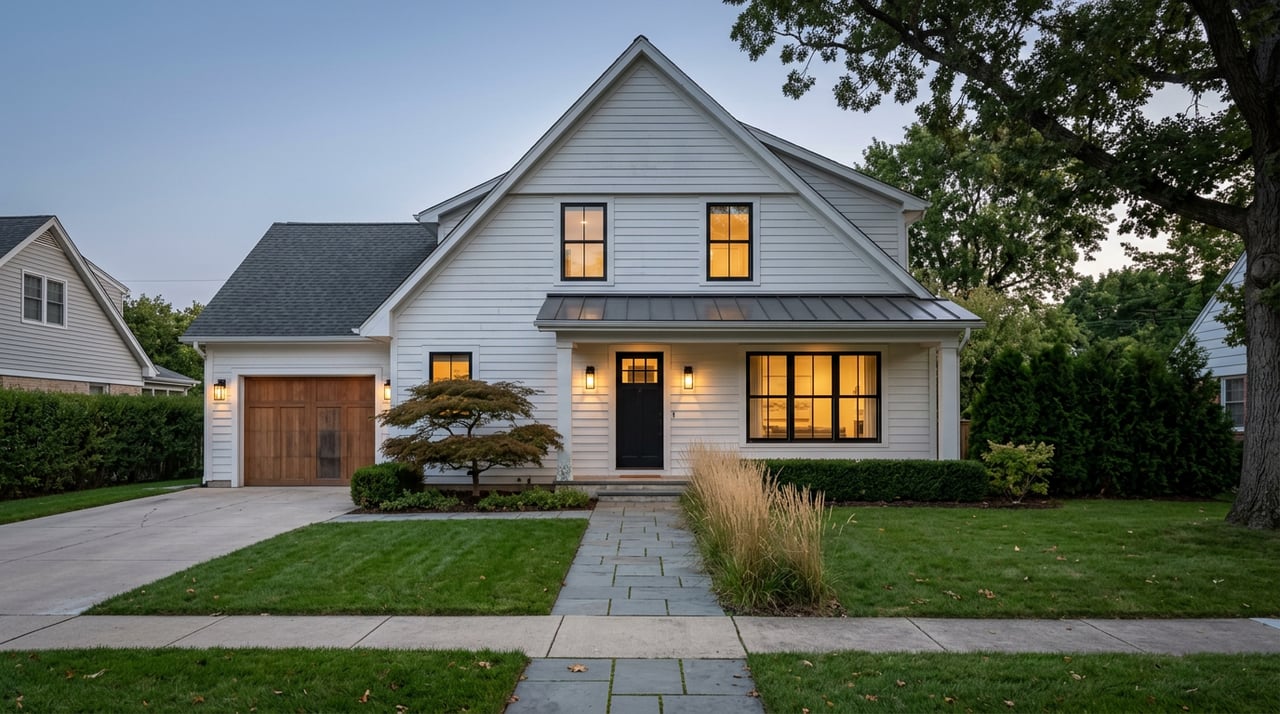
In local practice, estate-style usually points to larger lots, custom homes, more distance between properties, and a setting shaped by trees, topography, or open space. In Zionsville, that can mean anything from a luxury planned community with extensive HOA structure to a quieter enclave with a more tucked-away feel. The common thread is a stronger sense of separation and design intent than you often find in a standard subdivision.
Zionsville’s Plan Commission emphasizes quality development and quality of life, and the town’s zoning resources list several planned unit developments tied to this higher-end market. Names that appear on town resources include Bradley Ridge, Holliday Farms, Promontory, The Farm at Zionsville, Inglenook, and Wild Air. That tells you the estate-style segment here includes both established communities and newer projects.
It is also important to know that estate living is not one-size-fits-all. The town maintains maps for rural versus urban service areas, along with separate utility district maps for electrical, sewer, and water. That means two homes with a similar price point can have very different service setups, road arrangements, or maintenance responsibilities.
Promontory and Holliday Farms
Promontory stands out for buyers who want land, views, and a more secluded feel. It is described as a landscape of rolling hills and mature trees centered on a 35-acre lake, with homesites of 2 or more acres, unobstructed views, and equestrian fields. If your vision of estate living includes room to breathe and a strong connection to the landscape, this is the kind of profile that often gets attention.
Holliday Farms offers a broader mix. Its materials describe tree-adorned rolling hills, meandering creeks, and housing options that include large secluded estate lots as well as smaller garden lots. That range can appeal if you like the overall setting but want to compare different lot sizes and lifestyle options within one community.
There is also an important ownership detail to know here. In 2024, the town reclassified Holliday Farms, Devonshire, and Chelsea Park from the Rural Service District to the Urban Service District, but specifically stated that Holliday Farms’ residential streets remain privately owned and maintained. For you as a buyer, that is a reminder to look beyond the entrance and amenities and confirm exactly who maintains what.
Lost Run Farm
Lost Run Farm is a smaller, more limited estate offering. The community says it spans 80 acres of meadows and old-growth woods and includes just 20 estate homesites. That lower-density layout can be attractive if exclusivity and natural surroundings are high on your list.
It also appears to have a formal HOA structure. The neighborhood makes governing documents and budgets available, which signals a more organized framework for how the community operates. That can be helpful if you want clear expectations around maintenance, standards, and long-term planning.
Thornhill and Colony Woods
Not every estate-style choice in Zionsville is brand new. Thornhill has been part of the local market since 1988 and features 194 uniquely designed homes on sizable lots with mature trees. It also highlights amenities and neighborhood events, which can matter if you want more than just lot size.
Thornhill’s HOA points to a pool, playground, sports courts, and clubhouse, along with management responsibilities such as budgets, assessments, covenant enforcement, and property inspections. That kind of structure can create consistency, but it also means you should understand the rules before you buy. Estate-style living sometimes comes with more oversight than buyers expect.
Colony Woods leans into large, well-manicured lots, mature trees, and privacy, while also being described as minutes from downtown Zionsville and a short drive from Indianapolis. If convenience is a major factor for you, that location profile may stand out. It offers a useful contrast to more secluded communities that can feel farther removed from daily routes.
Colony Woods also publishes an architectural review form. That is a sign that exterior changes and visual consistency matter in the neighborhood. If you plan to add a fence, change landscaping, or update the exterior over time, that review process is worth understanding early.
Other Custom-Home Communities to Watch
Zionsville’s zoning resources identify other custom-home planned unit developments that belong on your radar. Bradley Ridge, the Maple Lane Club of Bradley Ridge, The Farm at Zionsville, and Wild Air are all listed among active PUDs. For buyers, this is a good reminder that the local estate market is broader than the most commonly discussed names.
Newer projects may also come with distinct design and infrastructure features. A 2025 Maple Lane Club of Bradley Ridge ordinance references gated entries and required pedestrian paths. That suggests some communities are being planned with a more controlled, design-forward approach from the start.
What to Verify Before You Buy
The biggest mistake buyers make in estate-style neighborhoods is assuming all high-end communities function the same way. In Zionsville, they do not. Service districts, utilities, private roads, and HOA responsibilities can vary from one neighborhood to the next.
Before you move forward, review the annual assessments, architectural review rules, and exterior standards. Zionsville’s HOA resources make clear that neighborhood associations are active and involved, and that the town works with them to share news and initiatives. Those details can affect both your monthly costs and your day-to-day ownership experience.
You should also verify whether the home is on public or private roads and what services are town-managed versus handled by the HOA or developer. The town’s utility and service district maps are useful for this. It is especially important in areas that blend rural character with planned development.
Commute and access deserve a close look too. Zionsville says Main Street Momentum is intended to improve traffic flow, pedestrian safety, and access to the historic Village. Even so, neighborhood marketing can only tell part of the story, so it is smart to compare the exact property address against your real daily routes.
If school logistics matter to your household, confirm those details as part of your search. Zionsville Community Schools serves K-12 in Eagle and Union townships across a nine-school district. For many move-up and relocating buyers, that practical layer sits right alongside lot size, privacy, and home design.
How to Compare Estate Neighborhoods
When you tour Zionsville’s estate-style communities, it helps to compare them through a simple framework. A beautiful entrance or large lot is only part of the picture. The better question is how the neighborhood fits the way you want to live.
Focus on these points as you compare options:
- Lot size and separation between homes
- Mature trees, water features, and natural topography
- HOA structure, assessments, and design rules
- Public versus private road ownership
- Water, sewer, and utility service setup
- Distance to downtown Zionsville and Indianapolis routes
- Access patterns for school, work, and daily errands
- Whether the community feels established, newer, or still evolving
A neighborhood can check every box on paper and still feel wrong once you drive it at the time of day you would actually use it. That is why local guidance matters. The details that shape long-term satisfaction are often the ones you notice only after comparing communities side by side.
If you are considering a move into Zionsville’s estate market, the right strategy is part lifestyle match and part due diligence. With the right neighborhood guidance, you can narrow the field faster and avoid surprises after contract. When you are ready to explore available homes, private opportunities, or a move into the north Indianapolis suburbs, connect with John Pacilio.
FAQs
What makes a Zionsville neighborhood “estate-style”?
- In Zionsville, estate-style usually means larger lots, custom homes, mature trees, and more separation between homes than in a standard subdivision.
Which Zionsville neighborhoods are known for estate homesites?
- Based on local and community materials, buyers often look at Promontory, Holliday Farms, Lost Run Farm, Thornhill, Colony Woods, Bradley Ridge, The Farm at Zionsville, and Wild Air.
Are all Zionsville estate neighborhoods served the same way?
- No. Utility districts, service areas, road ownership, and maintenance responsibilities can vary, so you should verify details for each property.
Do Zionsville estate neighborhoods usually have HOAs?
- Many do, and some have formal budgets, assessments, architectural review standards, and covenant enforcement, so it is important to review those documents before making an offer.
How close are Zionsville estate neighborhoods to downtown and Indianapolis?
- It depends on the exact neighborhood and address. Some, like Colony Woods, are described as minutes from downtown Zionsville, while more secluded areas may feel farther from daily routes.
Why do buyers compare school logistics in Zionsville estate searches?
- Many buyers consider commute patterns and school access alongside privacy and lot size, and Zionsville Community Schools serves K-12 in Eagle and Union townships across a nine-school district.